
Millions Of Dollars Recovered For Our Clients.
Dedicated & Tenacious Litigation Lawyers in Indianapolis
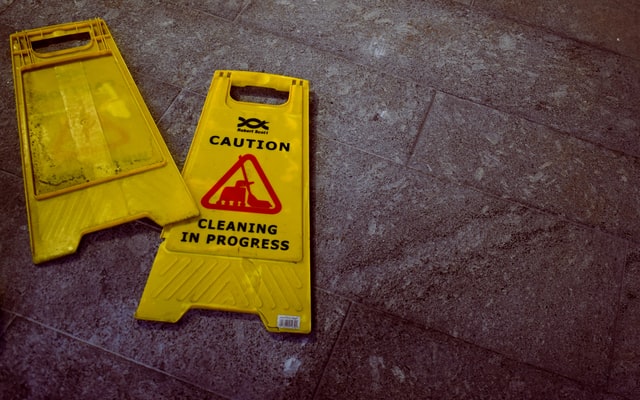
A fall on someone else’s property can lead to serious injuries, but not every fall gives rise to a legal claim. Slip and fall cases cover injuries caused by hazardous conditions on a property, like wet floors, uneven surfaces, poor lighting, or snow and ice that wasn’t cleared, and the key legal question is usually whether the property owner knew, or should have known, about the hazard and failed to fix it or warn visitors.
Indiana law generally categorizes visitors to a property as invitees, licensees, or trespassers, and the duty a property owner owes depends on which category applies, with the highest duty of care owed to invitees, like customers at a store. To win a slip and fall claim, you generally need to show the property owner had actual or constructive notice of the hazard, meaning they either knew about it or it existed long enough that they reasonably should have discovered it through routine inspection. Indiana’s modified comparative fault rule also applies, so if you were partly responsible for the fall, your recovery can be reduced, or barred entirely if you’re found 51 percent or more at fault. Property owners also frequently point to warning signs or store policy as a defense, even when those measures weren’t actually adequate given the specific hazard involved.
At RileyCate, we investigate slip and fall claims to establish exactly how long a hazard existed and whether the property owner had a reasonable opportunity to address it. We handle claims involving grocery stores, restaurants, apartment complexes, and other commercial and residential properties, working to document the hazard and the property’s maintenance practices before that evidence disappears.
Slip and fall cases often come down to notice, whether a property owner knew or should have known about a hazard, and proving that requires methodical fact gathering and trial-tested representation. Our team brings extensive civil litigation experience to premises liability cases, led by Russell Cate, who is recognized as a Super Lawyer, and his and Will Riley’s appellate work before the Indiana Court of Appeals and the Indiana Supreme Court gives our clients real depth in this area. Will Riley’s Super Lawyers, Top 100 Trial Lawyers, and AV Preeminent recognition reflects that same trial-tested approach.
Will and Russell personally oversee every matter we take, staffing it with the attorneys, associates, and staff the case calls for based on its size and complexity, so your claim gets thorough, consistent attention.

Nobody plans to need a lawyer. When something goes wrong, what you need first is someone who will listen, tell you honestly where you stand, and take the next steps off your plate. That is how every case at RileyCate, LLC begins.
We represent individuals, families, and small businesses across Fishers, Indianapolis, and surrounding counties in personal injury and complex litigation, business and real estate disputes, criminal defense, and appeals.
Will Riley and Russell Cate personally oversee every matter, staffing each case to its size and complexity. Both are recognized as Super Lawyers and have argued before the Indiana Court of Appeals and Supreme Court. Will also holds an AV Preeminent rating from Martindale-Hubbell and a Top 100 Trial Lawyer designation.
We are trial-tested, not just settlement-focused. We have tried hundreds of cases, because insurance companies, opposing businesses, and prosecutors negotiate differently with a firm willing to go the distance.
If you were injured in a fall on someone else’s property, documenting the hazard quickly can make a real difference in your claim. We offer a consultation to review the circumstances of your fall and your options. Reach out to RileyCate today to speak with a slip and fall attorney about your situation.