
Millions Of Dollars Recovered For Our Clients.
Dedicated & Tenacious Litigation Lawyers in Indianapolis
Construction contracts are dense documents for a reason. They try to anticipate everything that could happen over the life of a project, from a change in scope to unexpected conditions at the site, and when something happens that the contract didn’t clearly address, or the parties read the same clause two different ways, a dispute follows. Construction contract disputes cover disagreements over scope of work, change orders, termination rights, indemnification, and differing site conditions.
Indiana courts generally enforce construction contracts as written, which makes the specific language in your agreement, including AIA-style form contracts commonly used in the industry, central to how a dispute gets resolved. Many construction contracts also include mandatory dispute resolution provisions, often requiring mediation or arbitration before either party can go to court. Understanding what your specific contract requires, and what remedies it provides for different types of disputes, shapes the entire strategy for resolving a disagreement.
At RileyCate, we help owners, contractors, and subcontractors resolve disputes over what a construction contract actually requires, whether that’s a disagreement over a change order, a termination that one side believes was improper, or a dispute over who bears the cost of an unexpected site condition. We work to resolve these issues efficiently when possible, and we’re prepared to litigate or pursue arbitration when a fair resolution isn’t available otherwise, drawing on the same trial preparation we bring to every matter regardless of size.
Construction contract disputes often hinge on how a court or arbitrator interprets dense, technical contract language, which is exactly where appellate-level experience adds value. Will Riley and Russell Cate lead our construction contract team. Russell Cate is recognized as a Super Lawyer and has argued alongside Will Riley before the Indiana Court of Appeals and the Indiana Supreme Court, and that depth informs how our team approaches contract interpretation disputes from the outset. Will Riley’s Super Lawyers, Top 100 Trial Lawyers, and AV Preeminent recognition reflects the same trial credibility across decades of practice.
Will and Russell personally oversee every matter we take, staffing it with the attorneys, associates, and staff the case calls for based on its size and complexity, so your matter gets consistent attention whether it’s resolved through negotiation, arbitration, or litigation. We also offer alternatives to the standard billable hour for qualifying matters.
Nobody plans to need a lawyer. When something goes wrong, what you need first is someone who will listen, tell you honestly where you stand, and take the next steps off your plate. That is how every case at RileyCate, LLC begins.
We represent individuals, families, and small businesses across Fishers, Indianapolis, and surrounding counties in personal injury and complex litigation, business and real estate disputes, criminal defense, and appeals.
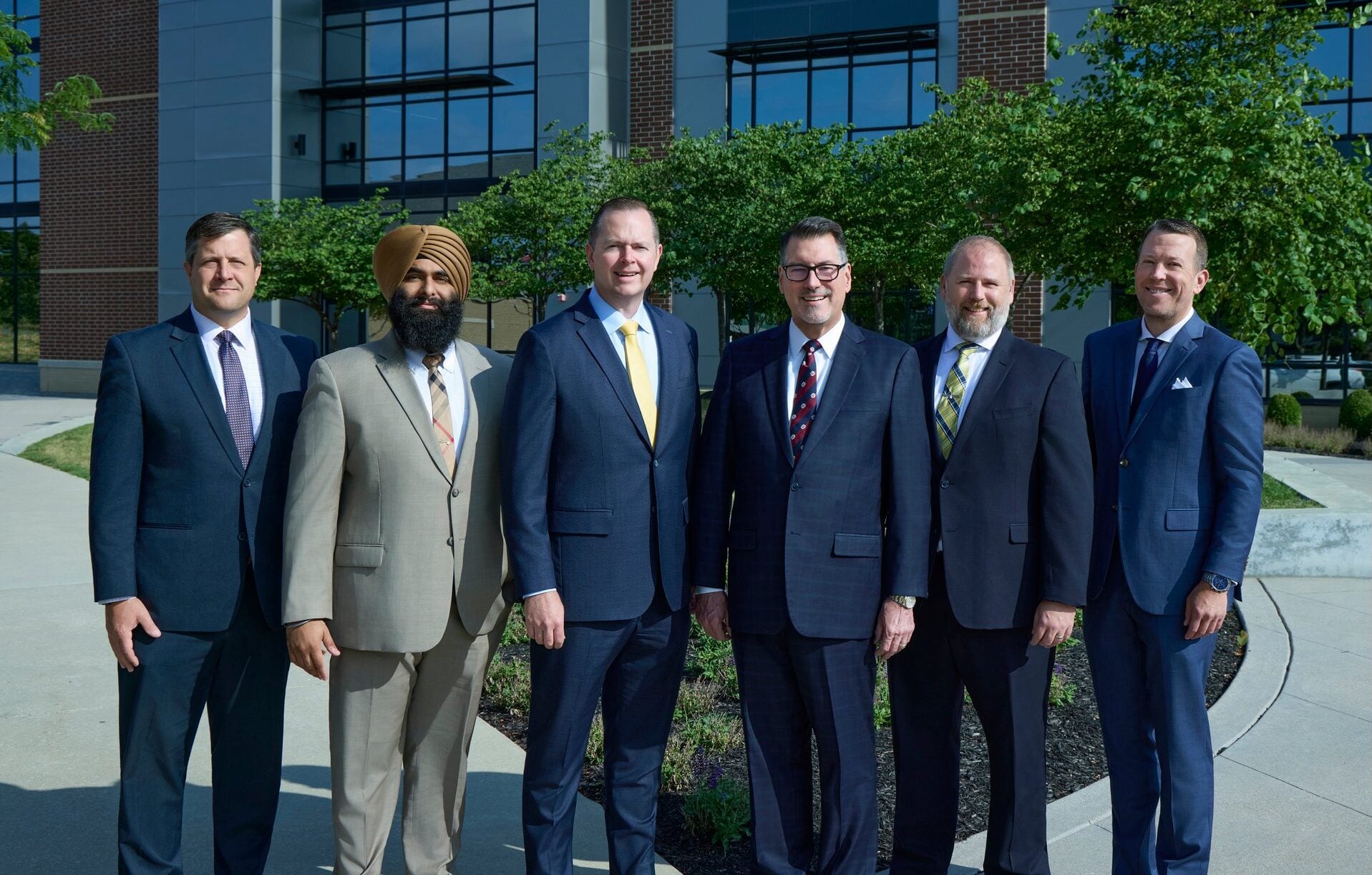
Will Riley and Russell Cate personally oversee every matter, staffing each case to its size and complexity. Both are recognized as Super Lawyers and have argued before the Indiana Court of Appeals and Supreme Court. Will also holds an AV Preeminent rating from Martindale-Hubbell and a Top 100 Trial Lawyer designation.
We are trial-tested, not just settlement-focused. We have tried hundreds of cases, because insurance companies, opposing businesses, and prosecutors negotiate differently with a firm willing to go the distance.
If you’re in a dispute over what your construction contract requires, or you’re facing a termination or change order disagreement, we can help you understand your options. We offer a consultation to review your contract and the circumstances involved. Reach out to RileyCate today to speak with a construction contract disputes attorney about your project.