Millions Of Dollars Recovered For Our Clients.
Dedicated & Tenacious Litigation Lawyers in Indianapolis
Many people are surprised to learn that being drunk in public isn’t, by itself, a crime in Indiana anymore. Since 2012, Indiana’s public intoxication law has required more than intoxication in a public place. Public intoxication covers being in a public place or a place of public resort while intoxicated by alcohol or a controlled substance, and also endangering your own life, endangering someone else’s life, breaching the peace or being in imminent danger of doing so, or harassing, annoying, or alarming another person.
Public intoxication is a Class B misdemeanor, carrying up to 180 days in jail and a fine of up to 1,000 dollars. These charges often come up around concerts, sporting events, bars, and college campuses, and they’re frequently filed alongside disorderly conduct, resisting law enforcement, or minor in possession charges. Even when the penalties are modest, a conviction creates a criminal record that can affect job applications, professional licenses, and school.
The defense in a public intoxication case often focuses on the extra elements the state has to prove. Being intoxicated isn’t enough. The state also has to show the person endangered someone, breached the peace, or harassed, annoyed, or alarmed another person, and those details are often thin in a police report. The defense may also focus on whether the location was truly a public place and whether the evidence of intoxication was reliable. Indiana’s Lifeline Law can also provide immunity from public intoxication charges in some situations where a person called for help in a medical emergency and cooperated with officers.
At RileyCate, we defend public intoxication charges with the goal of keeping a conviction off your record. Many cases can be dismissed or resolved through diversion. If your case involves an underage drinking charge, our Minor in Possession page explains that offense.
Misdemeanor cases deserve a real defense, and the details of what the state can actually prove often make the difference. Will Riley and Russell Cate lead our criminal defense team. Russell Cate has more than 19 years of experience and has been selected as a Super Lawyer since 2013, and Will Riley’s Super Lawyers, Top 100 Trial Lawyers, and AV Preeminent recognition reflects the kind of trial-tested credibility that carries weight with prosecutors and judges alike.
Will and Russell personally oversee every case we take on, staffing it with the attorneys, associates, and staff the matter calls for based on its size and complexity, so you get responsive, informed representation from the outset.
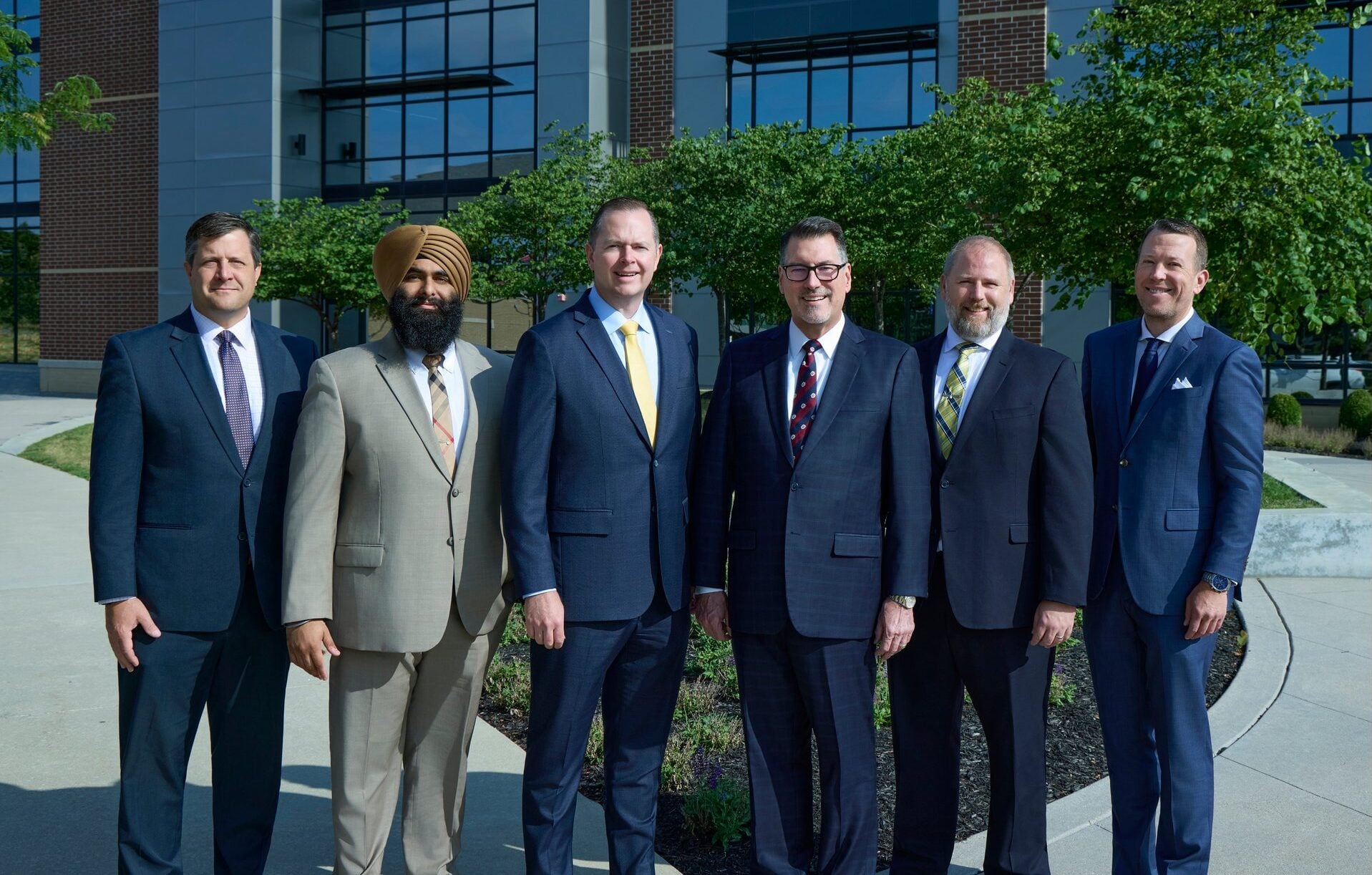
Nobody plans to need a lawyer. When something goes wrong, what you need first is someone who will listen, tell you honestly where you stand, and take the next steps off your plate. That is how every case at RileyCate, LLC begins.
We represent individuals, families, and small businesses across Fishers, Indianapolis, and surrounding counties in personal injury and complex litigation, business and real estate disputes, criminal defense, and appeals.
Will Riley and Russell Cate personally oversee every matter, staffing each case to its size and complexity. Both are recognized as Super Lawyers and have argued before the Indiana Court of Appeals and Supreme Court. Will also holds an AV Preeminent rating from Martindale-Hubbell and a Top 100 Trial Lawyer designation.
We are trial-tested, not just settlement-focused. We have tried hundreds of cases, because insurance companies, opposing businesses, and prosecutors negotiate differently with a firm willing to go the distance.
If you’ve been charged with public intoxication, there may be a path to resolving the case without a conviction. We offer a consultation to review the charges and explain your options. Reach out to RileyCate today to speak with a defense attorney.