
Millions Of Dollars Recovered For Our Clients.
Dedicated & Tenacious Litigation Lawyers in Indianapolis
Not every problem with a finished building shows up right away. Construction defects range from obvious issues discovered shortly after completion to hidden problems that don’t surface for years, like water intrusion, foundation issues, or structural deficiencies that only become apparent after significant damage has already occurred. A construction defect claim seeks to hold the responsible party, whether that’s a contractor, subcontractor, architect, engineer, or materials manufacturer, accountable for work that didn’t meet the required standard.
Indiana law distinguishes between patent defects, which are reasonably discoverable through inspection, and latent defects, which aren’t apparent until later. That distinction can affect when the clock starts running on a claim. Indiana also applies a statute of repose to construction claims, generally cutting off the ability to sue over ten years after a project’s substantial completion, regardless of when a defect is actually discovered. This is different from a standard statute of limitations, and it can bar even a legitimate claim if too much time has passed since construction finished.
At RileyCate, we represent property owners, developers, and businesses pursuing construction defect claims, and we represent contractors and design professionals defending against claims they believe are unfounded or exaggerated. These cases almost always require expert analysis to establish what actually went wrong and who’s responsible, and we work with qualified experts to build that record on either side of a dispute.
Construction defect cases often involve complex, technical evidence and multiple potentially responsible parties, which makes trial-tested litigation experience especially important. Will Riley and Russell Cate lead our construction defects team. Russell Cate is recognized as a Super Lawyer and has argued alongside Will Riley before the Indiana Court of Appeals and the Indiana Supreme Court, and his civil litigation background includes product liability and business disputes that require the same kind of technical case building. Will Riley’s Super Lawyers, Top 100 Trial Lawyers, and AV Preeminent recognition brings that same trial credibility to every defect case we handle.
Every matter we take on is personally overseen by Will and Russell, who staff it with the attorneys, associates, and staff it calls for based on its size and complexity, so your case gets the sustained attention these often document-heavy matters require. We also offer alternatives to the standard billable hour for qualifying matters.
Nobody plans to need a lawyer. When something goes wrong, what you need first is someone who will listen, tell you honestly where you stand, and take the next steps off your plate. That is how every case at RileyCate, LLC begins.
We represent individuals, families, and small businesses across Fishers, Indianapolis, and surrounding counties in personal injury and complex litigation, business and real estate disputes, criminal defense, and appeals.
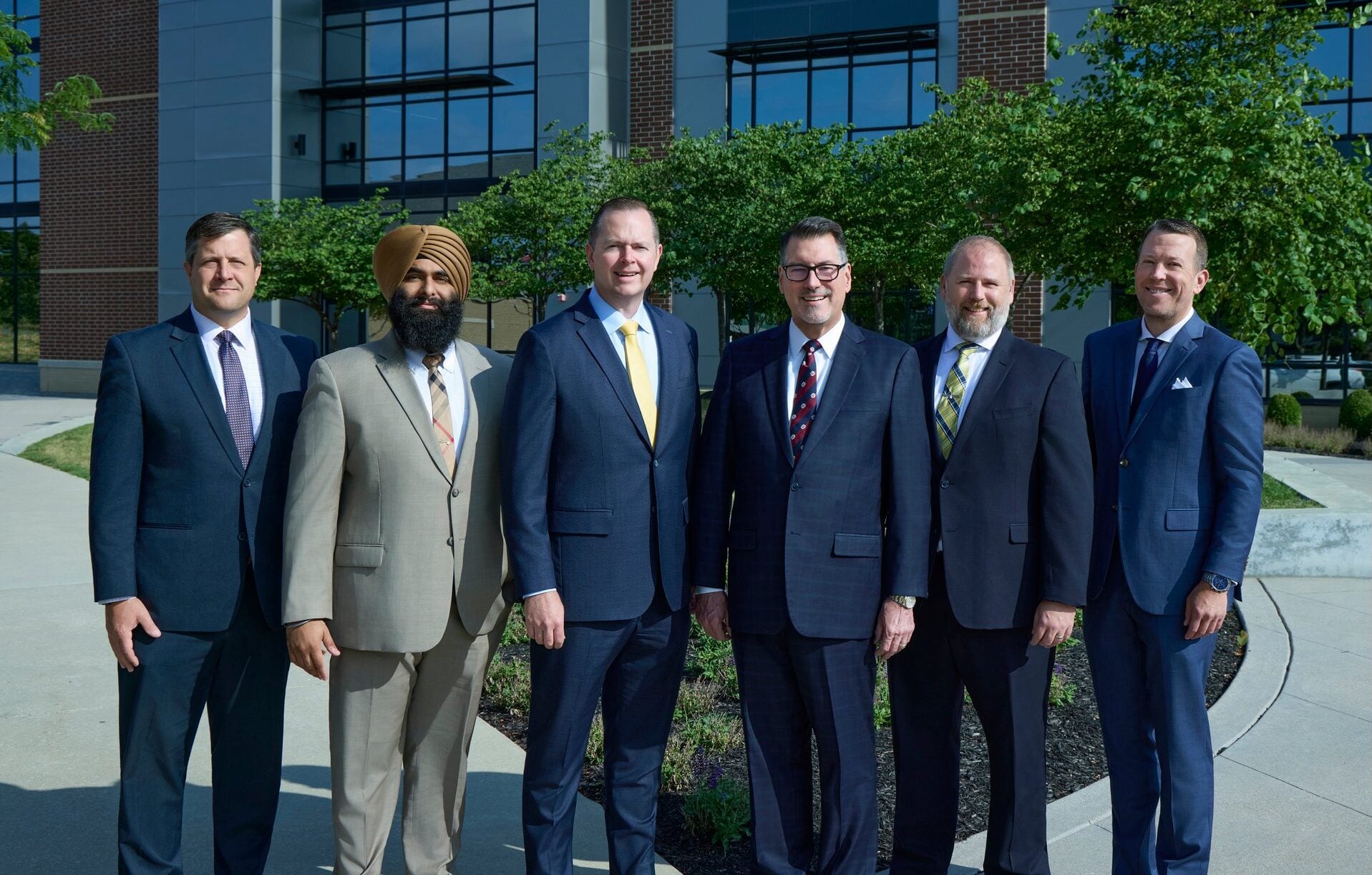
Will Riley and Russell Cate personally oversee every matter, staffing each case to its size and complexity. Both are recognized as Super Lawyers and have argued before the Indiana Court of Appeals and Supreme Court. Will also holds an AV Preeminent rating from Martindale-Hubbell and a Top 100 Trial Lawyer designation.
We are trial-tested, not just settlement-focused. We have tried hundreds of cases, because insurance companies, opposing businesses, and prosecutors negotiate differently with a firm willing to go the distance.
If you’ve discovered a defect in a building you own or developed, or you’re facing a defect claim you believe is unfounded, we can help you understand where you stand. We offer a consultation to review the facts and the timeline involved. Reach out to RileyCate today to speak with a construction defects attorney about your situation.